Vision, Mission, Change, Advocacy, & Policy

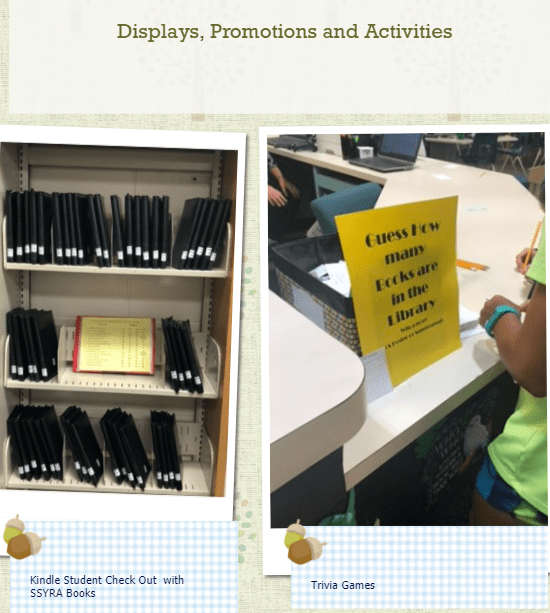
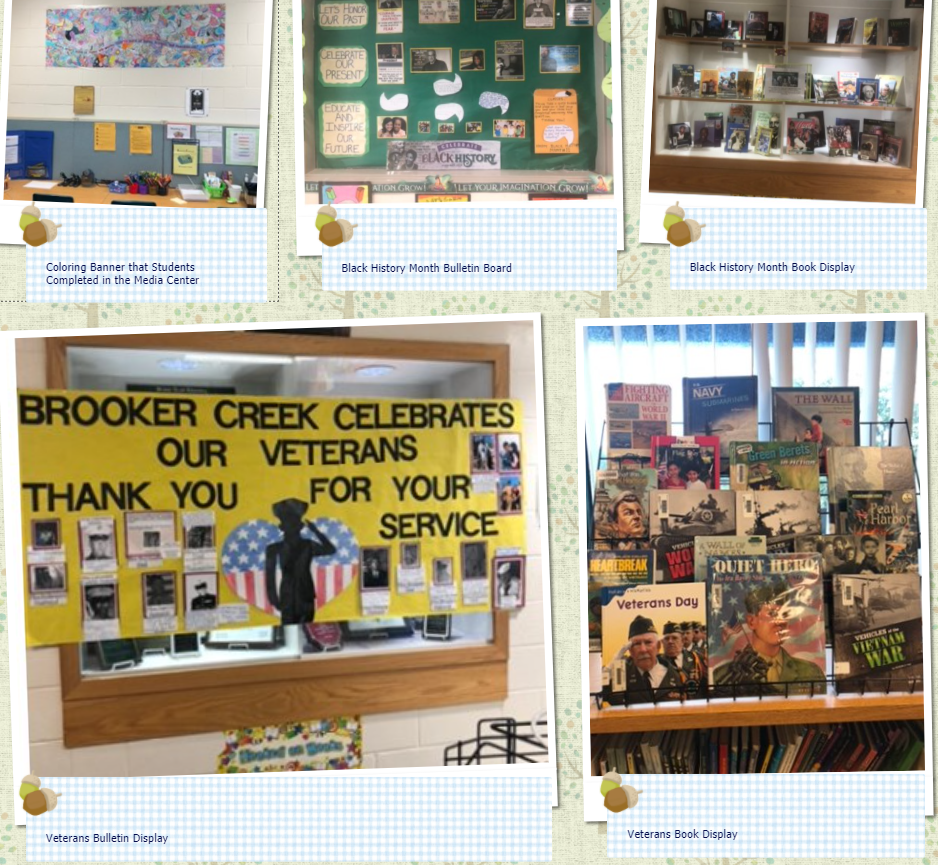

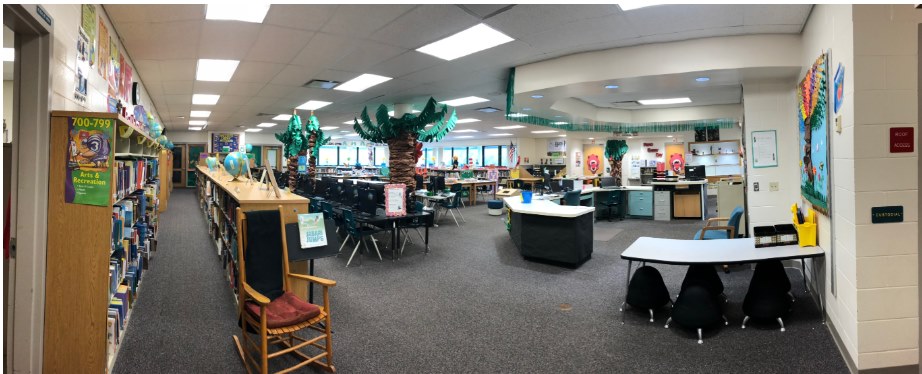

We all would hope a well-stocked and highly functioning library media center are fostering and encouraging high-achieving students, and we don’t want to ever take the library media center and the library media specialist for granted. Therefore, we all should know the important contributions a school media librarian makes to ensure the entire school program function and achieve its goals and vision.
I had the distinct pleasure to reach out to Ms. Danielle Gabbert, LMTS, at Booker Creek Elementary School in Tarpon Springs, Florida. It is clear from what she shared with me is that her school library media program is an integral part of the overall school program. Her media staff, teachers, and administrators, all have distinctive roles that support the school program as a whole.
Ms. Gabbert has shared with me her school’s media library programs, budget, and plans showing how she has been a great liaison and excellent planner as well as a great collaborator. She has established the perceptions and priorities of the school library and has been involved in the greater educational community and stakeholders.
Mission Statement: “The mission of Booker Creek Elementary Library Media Program is to provide students with skills and resources to become independent critical readers, thinkers, and informational explorers for the 21st century. We will accomplish this by providing a collection of resources and information that will satisfy the educational needs and interests of students and staff in a flexible setting where students may develop the skills they need to analyze, evaluate, interpret, and communicate information and ideas.”
Instructional Goals
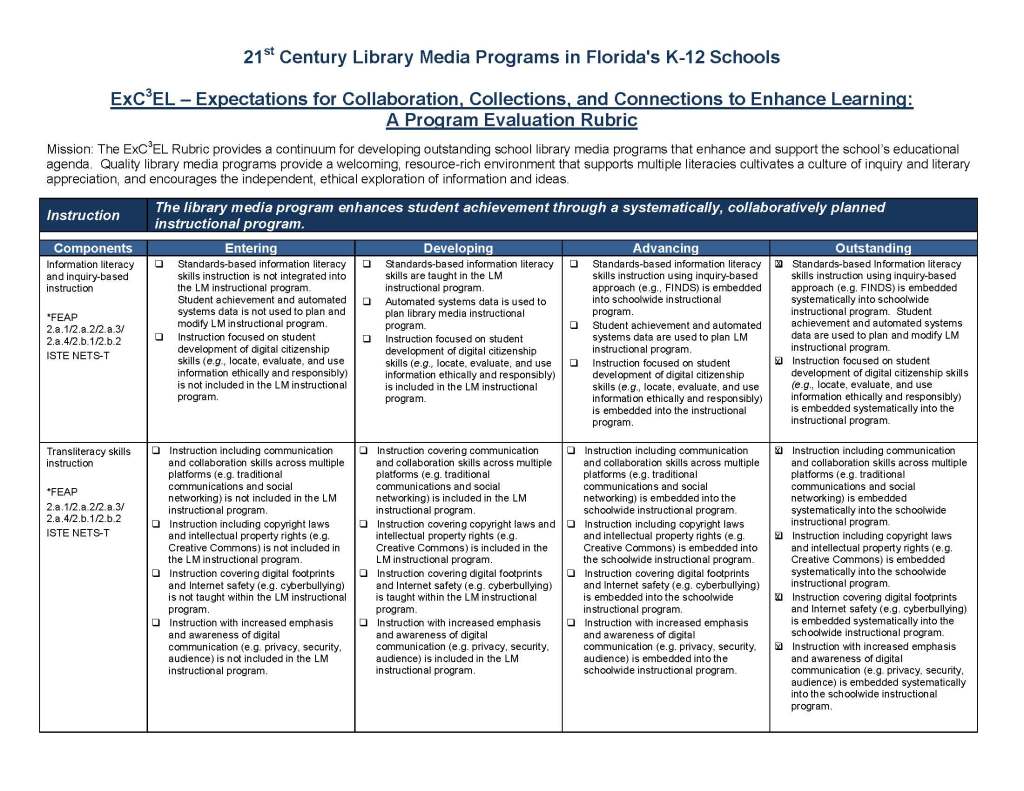
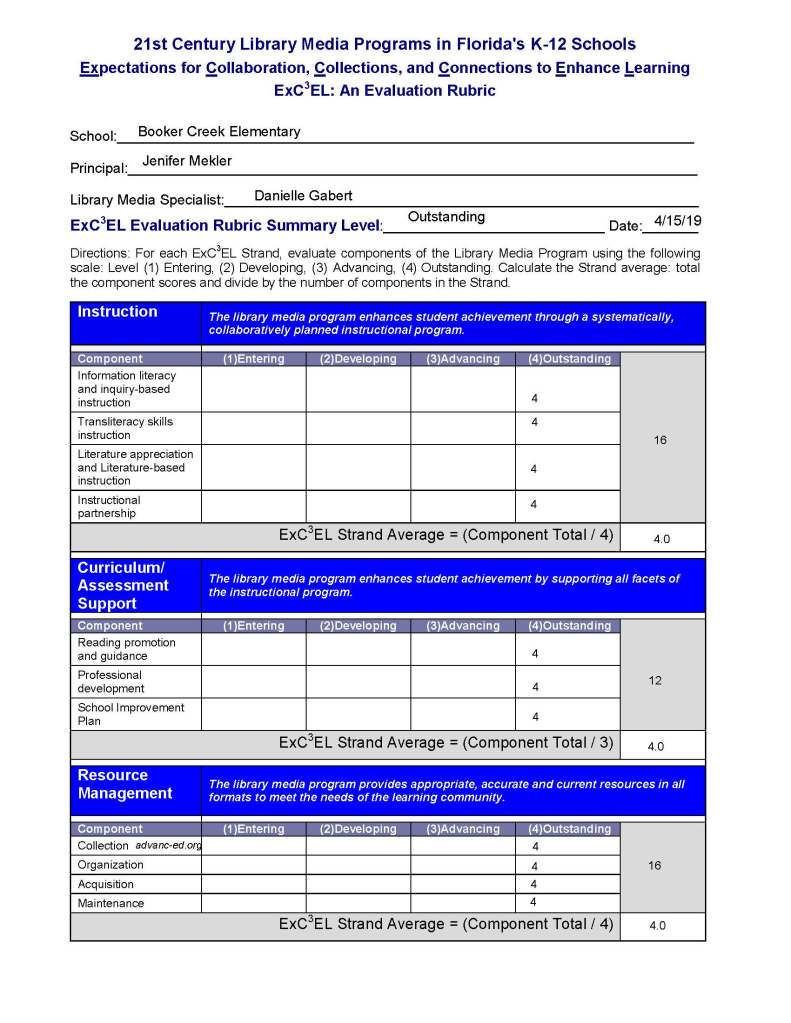
In instructional goals, she states, “the library media program enhances student achievement through a systematically, collaboratively planned instructional program”. Here are their components:
- Information Literacy and Inquiry-Based Instruction
- Digital Citizenship Instruction
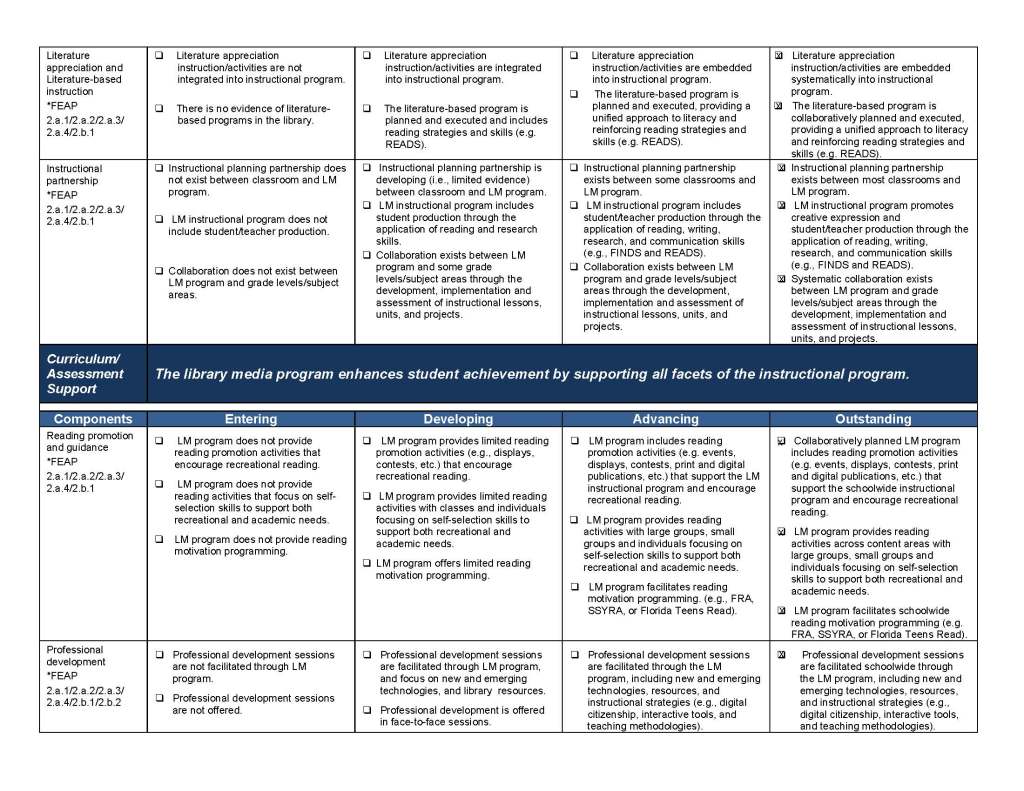
- Literature and Literature-Based Instruction
- Instructional Partnership
Budgeting
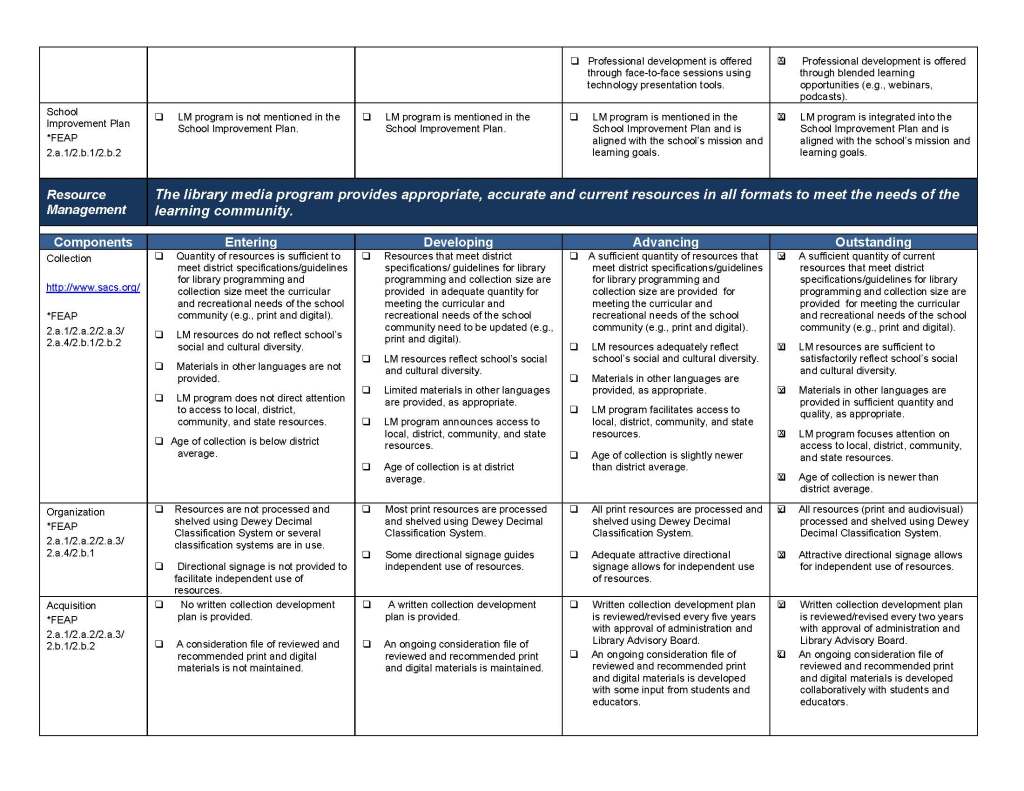
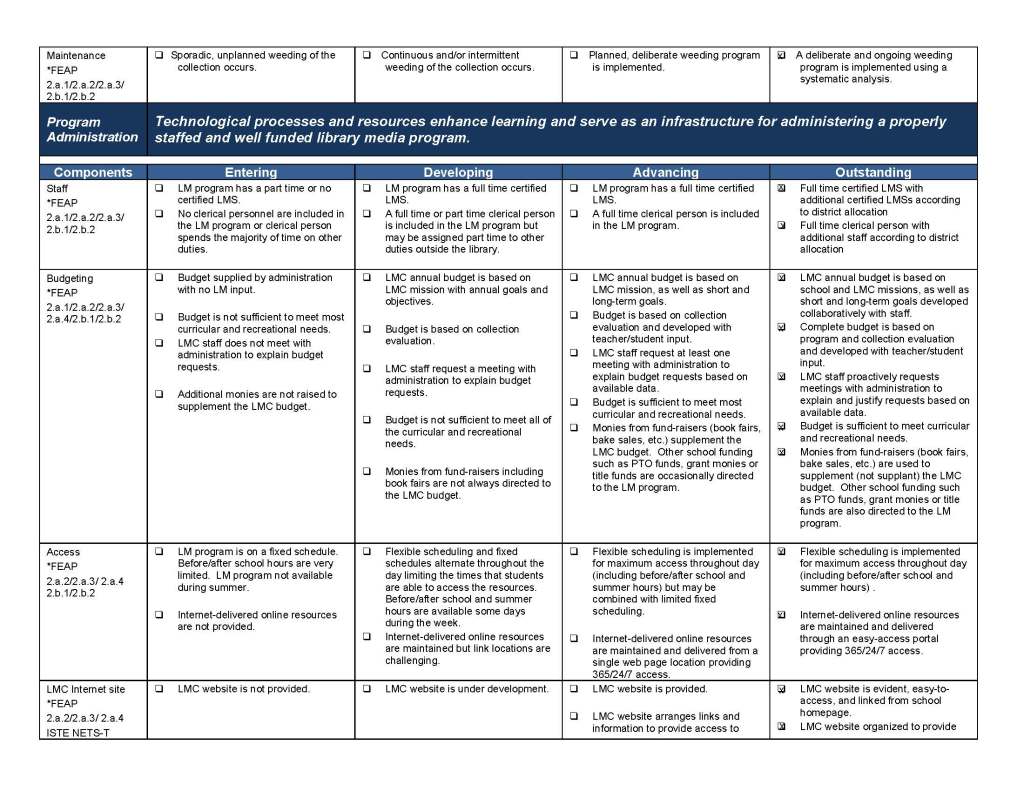
Ms. Gabbert’s vision for the school library budget is “based on school and library missions, as well as short and long-term goals developed collaboratively with staff”.
It is through proactive requests to meet with administration to explain requests via data using media center and technology needs survey, to name a few.
Advocacy
The two components of Ms. Gabbert’s advocacy philosophy through in-school and parents and community involvement. The school’s initiatives are promoted throughout the learning community.
In-School: Reports and stats are shared with administrators and the school community on a regular basis. Updating the media center’s handbook to ensure it contains the library program information, procedures, policies, and mission statements are provided to the administration, staff, faculty and students.
Parents/Community: Parent workshops and reading motivation activities and resources are given o parents which encourage parent involvement. This is an ongoing collaboration with many stakeholders beyond the school library program.
Artifacts:
- School and collection overview
4) Program Evaluation
a) ExC3EL – Expectations for Collaboration, Collections and Connections to Enhance Learning
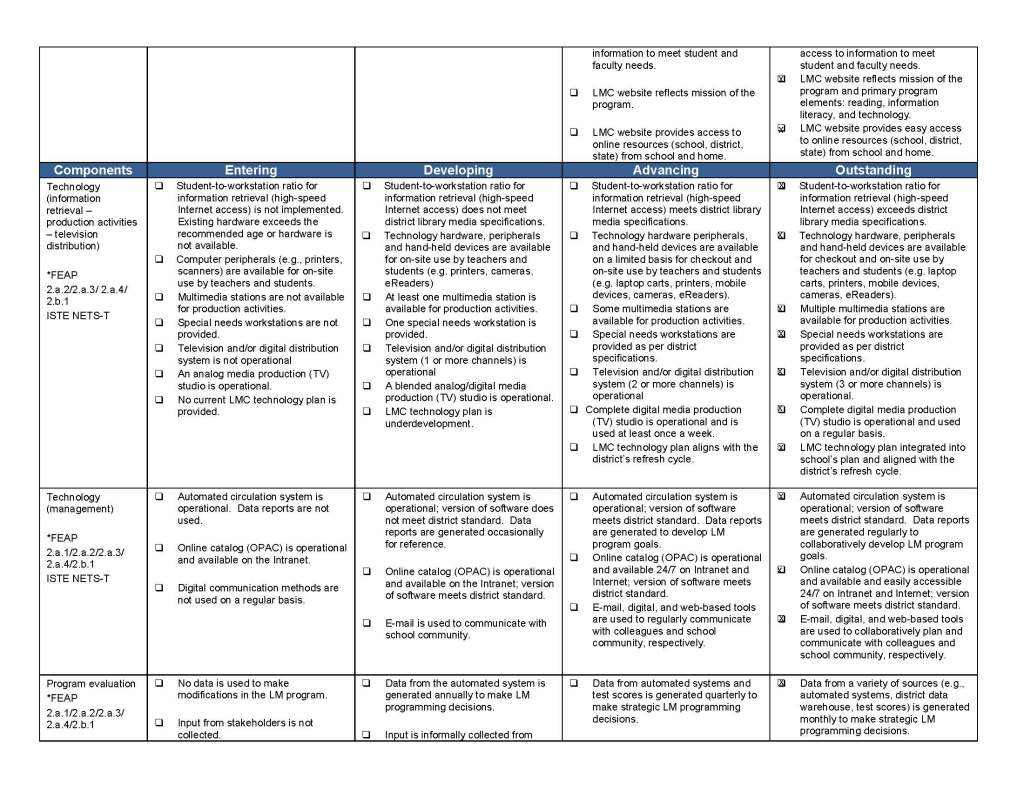
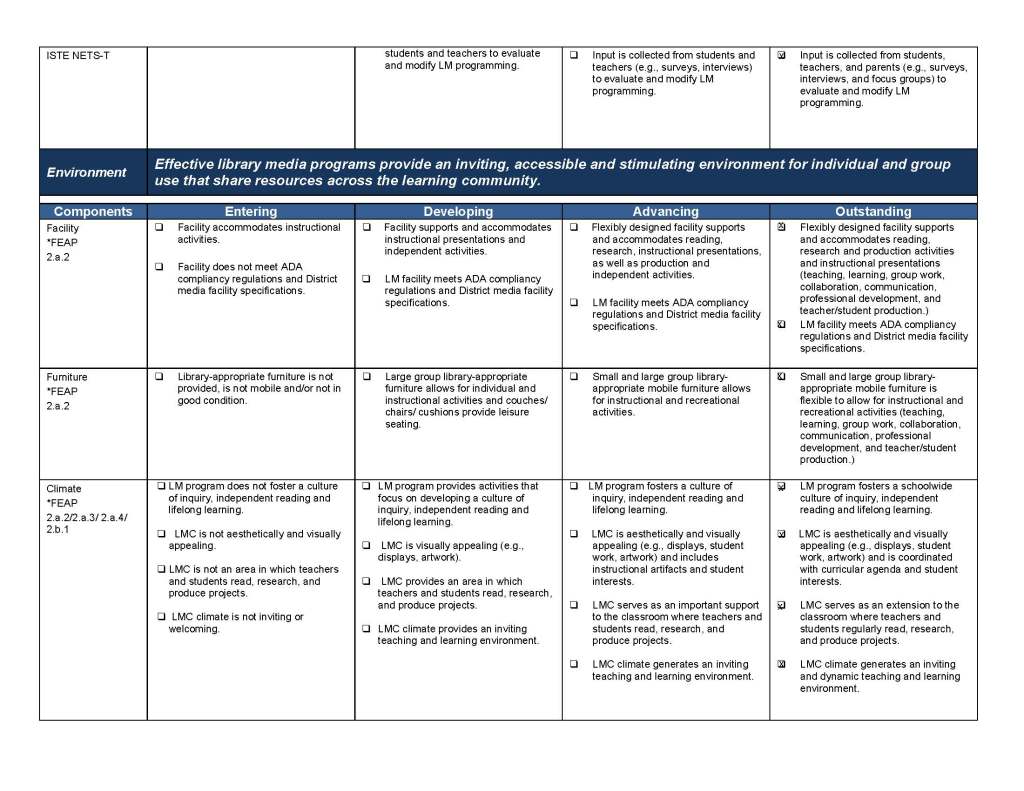
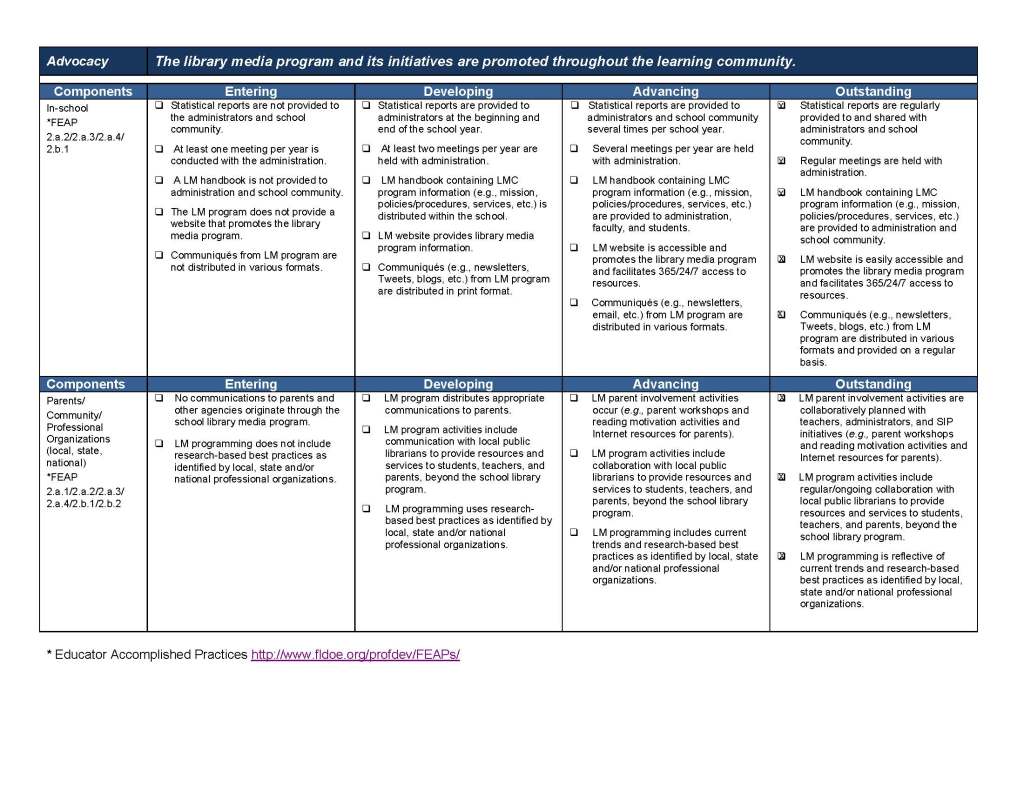
b) ExC3EL – Expectations for Collaboration, Collections and Connections to Enhance Learning – Evaluation Rubric
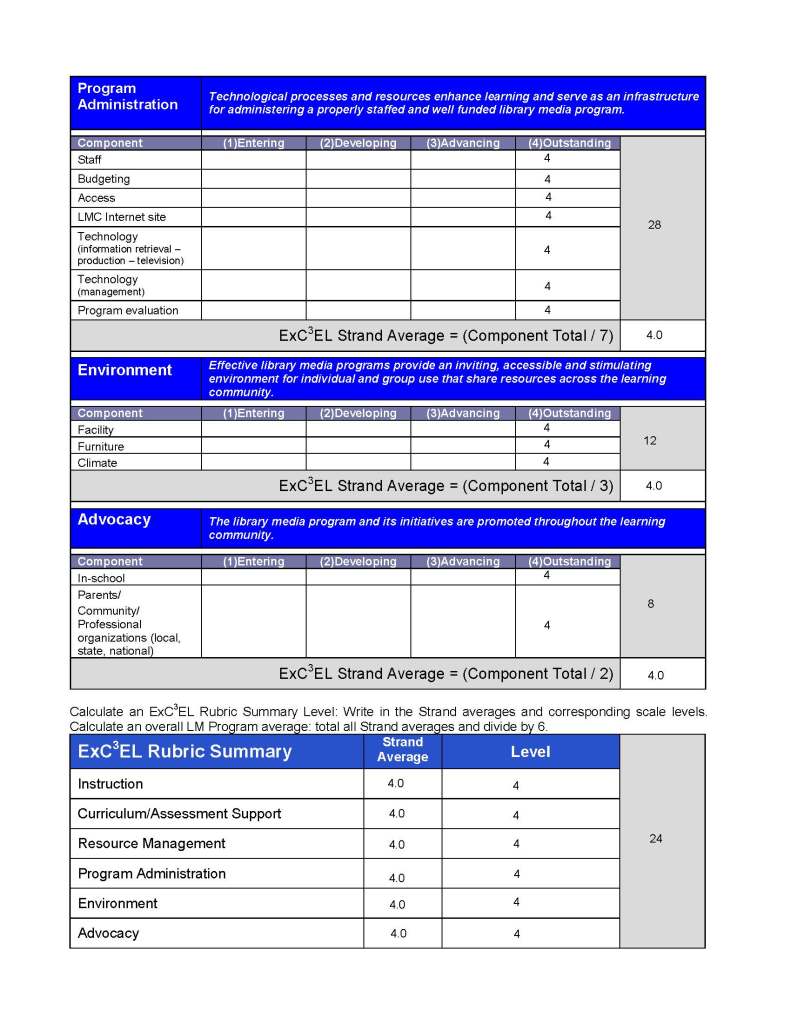
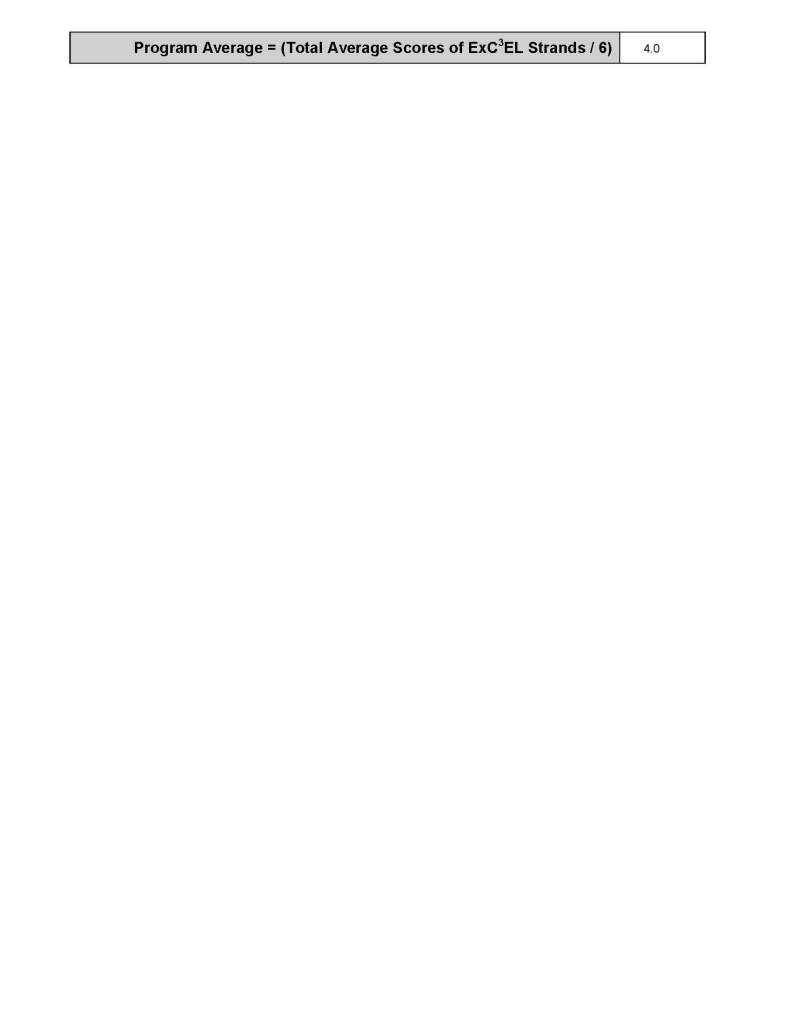
c) ExC3EL – Expectations for Collaboration, Collections and Connections to Enhance Learning – Program Improvement Plan (PIP)
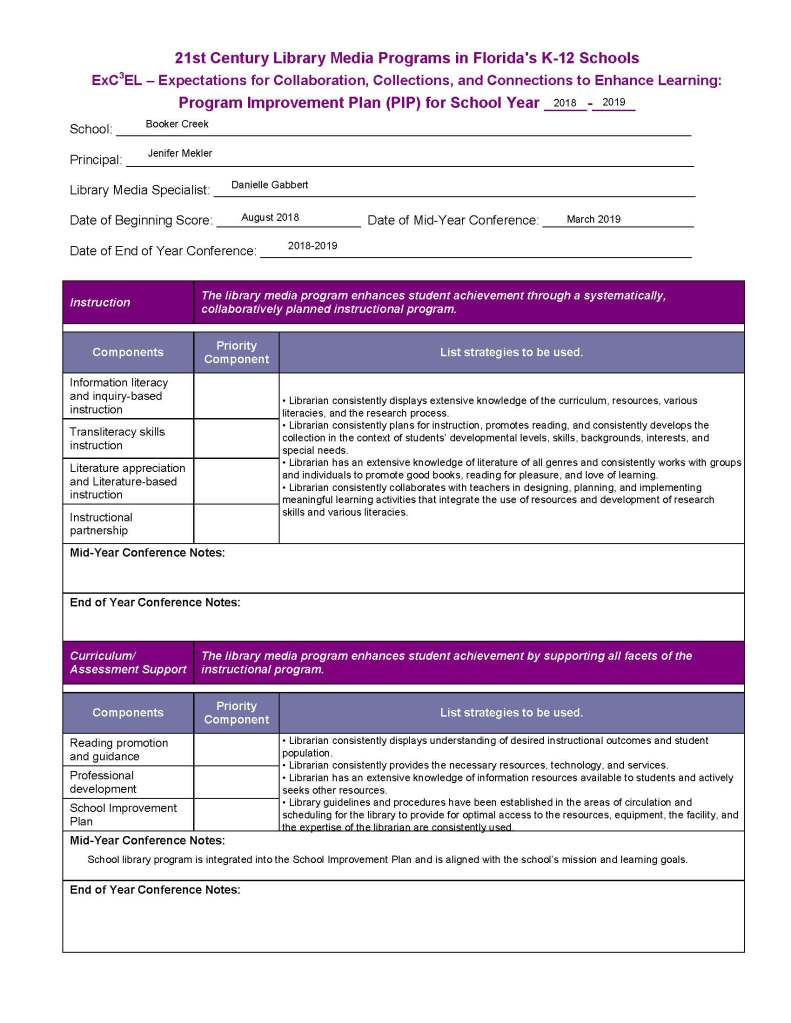
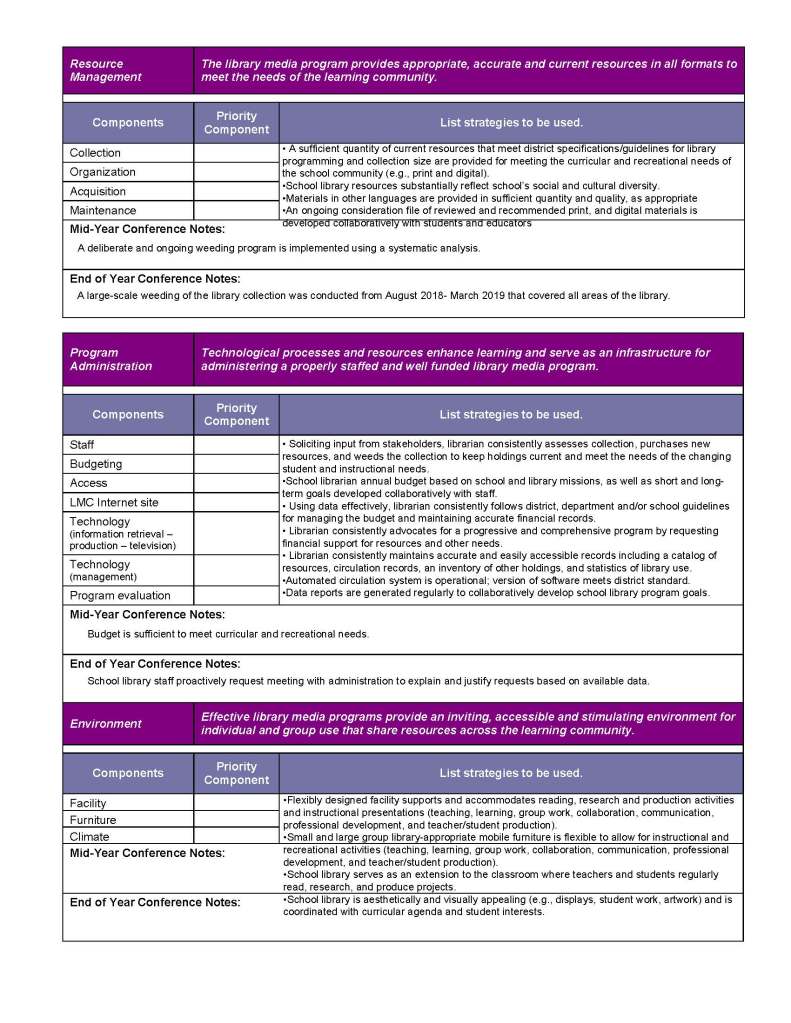

 By the Stacks